


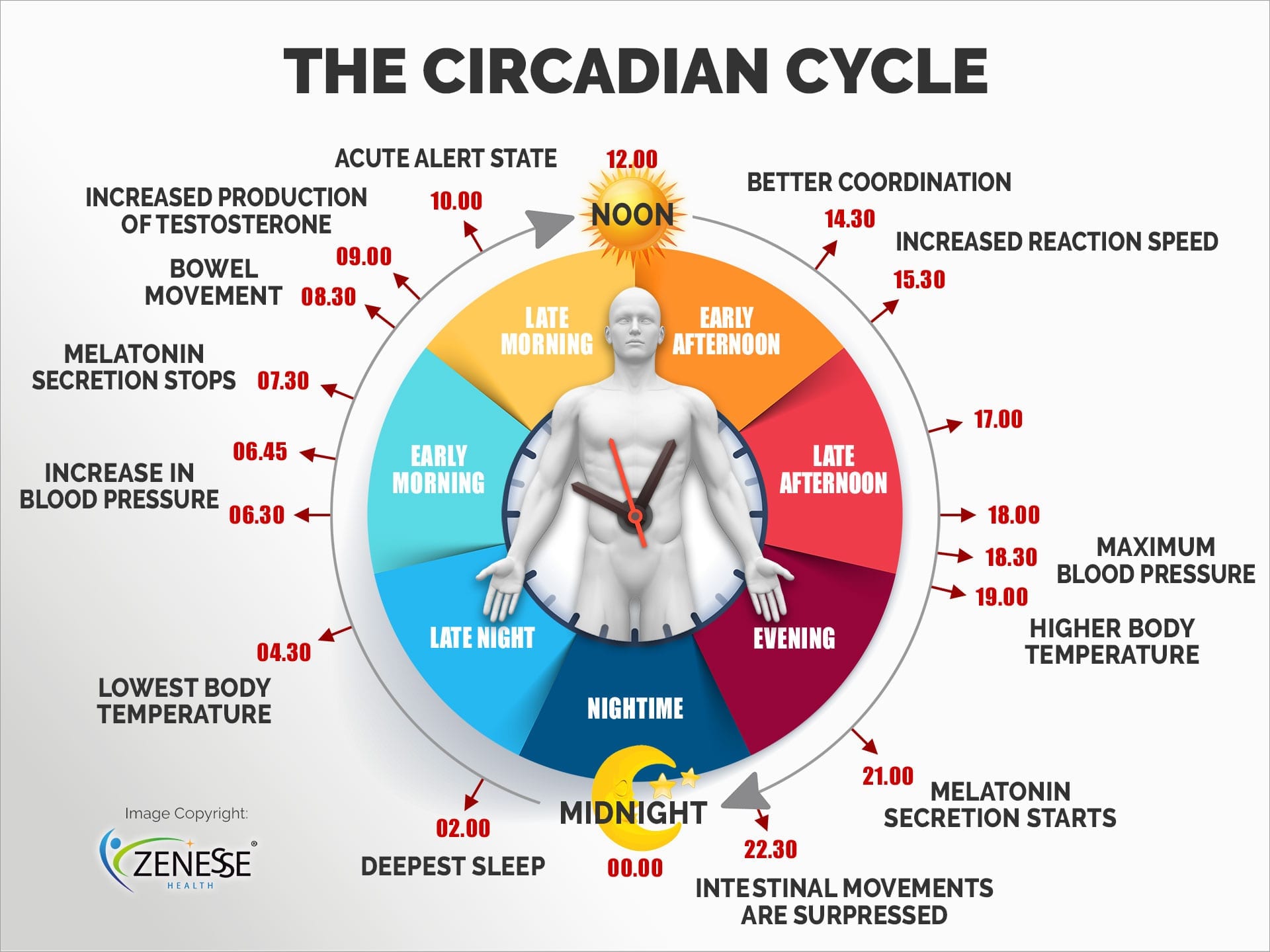
Circadian rhythms( biological clock)influence important functions in the human body
Circadian rhythms are the physical, mental, and behavioral changes an organism experiences over a 24-hour cycle. Light and dark have the biggest influence on circadian rhythms,
The system that regulates an organism’s innate sense of time and controls circadian rhythms is called a biological clock.
Circadian rhythms influence important functions in the human body, such as:
- Sleep patterns
- Hormone release
- Appetite and digestion
- Temperature
Disruptions in circadian rhythms can have significant impacts on health. Short-term misalignment can lead to drowsiness, poor coordination, and difficulty with learning and focus. Over the long term, chronic sleep loss and constantly shifting circadian rhythms can increase the risks of obesity, diabetes, mood disorders, heart and blood pressure problems, and even cancer. These disruptions can also exacerbate existing health issues.
The wisdom of ancient Indian rishis has provided us with timeless routines for a healthy life. Practices like waking up early, practicing yoga and meditation, eating a balanced diet, and maintaining a regular sleep schedule are all part of this wisdom. These routines align well with modern understandings of maintaining a healthy circadian rhythm.
For instance, waking up early and getting exposure to natural light can help regulate your biological clock. Yoga and meditation can reduce stress and improve overall well-being. Eating meals at regular times and avoiding heavy meals late at night can also support a healthy circadian rhythm.
It's fascinating how these ancient practices continue to be relevant in today's world.Do you follow any of these routines in your daily life?