Gut health and chronic disease
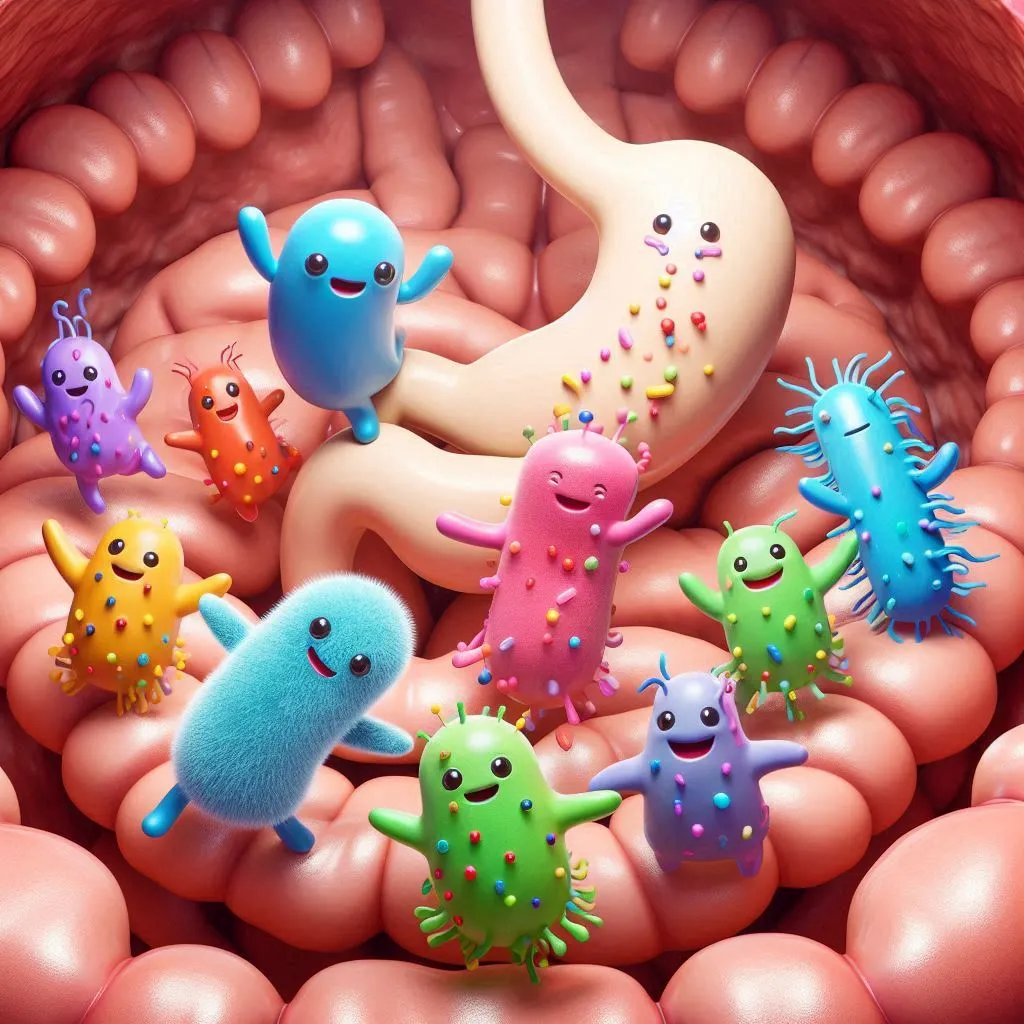
Gut health plays a crucial role in overall well-being and is closely linked to chronic diseases. The gut microbiome, which consists of trillions of microorganisms living in the digestive tract, influences many aspects of health, including metabolism, immune function, and even mental health12.
How Gut Health Affects Chronic Diseases
- Inflammation: An imbalance in gut bacteria can lead to chronic inflammation, which is a common factor in many chronic diseases such as obesity, type 2 diabetes, and cardiovascular diseases23.
- Metabolic Health: The gut microbiome helps regulate metabolism. Dysbiosis, or an imbalance in the gut microbiota, has been linked to metabolic disorders like obesity and diabetes13.
- Immune System: A healthy gut microbiome supports the immune system, helping to protect against infections and reduce the risk of autoimmune diseases2.
- Mental Health: There is a strong connection between gut health and mental health, often referred to as the gut-brain axis. Poor gut health can contribute to conditions like depression and anxiety4.
Tips for Improving Gut Health
- Diet: Eating a diverse range of foods, especially fruits, vegetables, and whole grains, can promote a healthy gut microbiome1.
- Probiotics and Prebiotics: Consuming foods rich in probiotics (like yogurt and fermented foods) and prebiotics (like garlic, onions, and bananas) can support gut health1.
- Avoiding Processed Foods: Limiting intake of processed foods and sugars can help maintain a healthy balance of gut bacteria1.
- Stress Management: Managing stress through activities like yoga, meditation, and exercise can positively impact gut health
- homeopathic constitutional medicine helps normalizing gut health
Keywords